Insider tips to avoid hidden cleaning charges in NW8
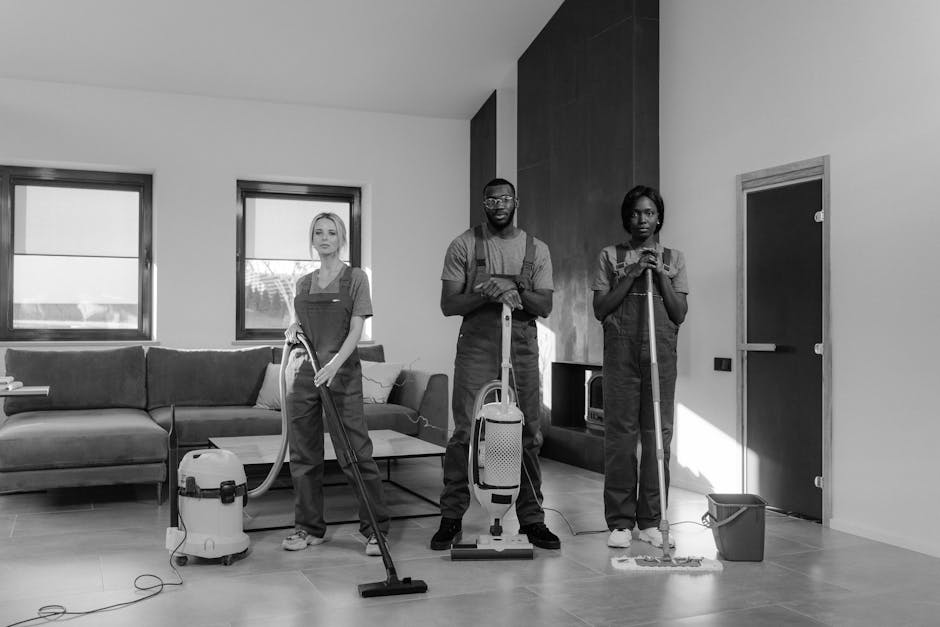
If you have ever opened a cleaning invoice and felt that tiny jolt of frustration, you are not alone. Hidden fees tend to show up at the worst possible moment, usually after the work is done and the room is already spotless. The good news? With the right approach, Insider tips to avoid hidden cleaning charges in NW8 are not mysterious at all. They are mostly about clarity, preparation, and asking the questions that many people skip in a rush.
In NW8, where homes, flats, managed properties, and short-let lets can all come with different expectations, cleaning costs can vary quite a bit. A quote that looks simple at first can become more expensive if call-out fees, parking, extra labour, specialist treatments, or "minimum charges" are not made clear from the start. This guide breaks down how to spot those traps early, what to ask for, and how to compare services without getting lost in jargon. Bit boring on paper, perhaps. Very useful in real life.
Below, you will find a practical, human guide to reading quotes, checking scope, comparing options, and protecting yourself from avoidable extras. No fluff. Just the sort of advice that saves money and a small headache later.
Why avoiding hidden cleaning charges in NW8 matters
Hidden cleaning charges are not always dramatic, but they are annoying in a very particular way. They creep in through wording, assumptions, and a service scope that sounds broader than it really is. In NW8, where properties can range from compact flats to larger family homes and managed rentals, the gap between what you expect and what the cleaner intends can be surprisingly wide.
Why does this matter so much? Because cleaning is one of those services where the result is easy to see, but the pricing logic is not. You might assume an end-of-tenancy clean includes inside appliances, but the provider may treat oven degreasing as an extra. You might think a deep clean covers inside cupboards, yet the quote may only allow for visible surfaces. That's where disputes start.
To be fair, not every extra charge is unfair. Sometimes a job really does need more time, more equipment, or specialist products. The problem is not extra cost itself. The problem is extra cost that was never explained clearly. If you are renting, moving out, or booking a one-off clean before guests arrive, even a small add-on can throw off your budget.
It also matters because cleaning is often booked under time pressure. People tend to say yes too quickly. "Yes, that sounds fine." Then later, when the invoice lands, they realise they never confirmed parking, pets, stain removal, or whether the cleaner would bring products. One quick call can prevent a very unhelpful surprise.
In plain English: knowing how to avoid hidden cleaning charges helps you keep control, compare providers properly, and avoid paying for things you did not ask for. That is the real value here.
How hidden cleaning charges typically work
Hidden charges usually appear when a quote is based on assumptions rather than a fully described job. The cleaner may be pricing for standard labour, but not for the realities of the property. Or the company may list a base rate and then add charges for items that are common in real homes, such as scale build-up, pet hair, or heavily used appliances.
In practice, these fees often appear in a few predictable ways:
- Scope gaps: The quote covers "general cleaning" but not inside ovens, fridges, cupboards, or skirting boards.
- Access charges: Extra cost for stairs, no lift, restricted parking, or time-sensitive entry windows.
- Condition-based extras: Charges for heavy dirt, mould, limescale, pet odours, or stubborn stains.
- Minimum booking rules: A low advertised rate, but only if you book a longer slot than you actually need.
- Equipment and product add-ons: Specialist products, steam treatment, or stain work priced separately.
The key thing is that these charges are not always "hidden" in a dishonest sense. Sometimes they are buried in the small print, or explained in a way that feels obvious to the company but not to the customer. And let's face it, most people do not read a service page line by line with a highlighter in hand. You probably have better things to do.
This is why good cleaners, especially those with a strong local reputation, tend to be specific from the beginning. They ask how many rooms, what kind of flooring, whether there are any pets, and whether parking is straightforward. Those questions are not nosy. They are pricing questions. You can often reduce surprises by being equally specific in return.
If you are comparing broader services too, pages such as one-off cleaning, deep cleaning, and end-of-tenancy cleaning can help you understand how different job types are usually framed. Just remember: the headline service name is only the starting point. The job detail decides the final bill.
Key benefits and practical advantages
Getting ahead of hidden charges is not just about saving money, although that is obviously a big part of it. It also gives you confidence, clarity, and leverage if something does not look right. Once you know what should be included, it becomes much easier to spot when a provider is being fair and when they are quietly shifting the goalposts.
Here are the main benefits:
- Better budgeting: You can plan for the real total cost, not just the starting figure.
- Fewer disputes: Clear scope from day one means fewer awkward conversations after the job.
- Better comparisons: You can compare providers on like-for-like terms rather than just on the cheapest headline rate.
- More suitable service: If you know what to ask for, the cleaner can bring the right products and enough time.
- Less stress at the end of a tenancy or sale: One less thing to worry about when the rest of life is already packed into boxes.
There is also a quiet practical advantage that people miss: clear cleaning terms help you decide whether you need standard domestic cleaning, a regular cleaning arrangement, or a more specialist service like move-out cleaning. If you pick the wrong service, you may pay extra simply because the job was not scoped correctly in the first place.
Quick takeaway: the best savings usually come before the cleaner arrives, not after the invoice is issued.
Who this is for and when it makes sense
Truth be told, almost anyone booking a cleaner in NW8 can benefit from this, but some situations make it especially important. If the job has a deadline, if you are comparing several quotes, or if the property has any unusual features, you should be extra alert.
This matters most for:
- Tenants moving out: End-of-tenancy charges can rise quickly if the scope is vague.
- Landlords and letting agents: A clear service description helps avoid tenant disputes and last-minute re-cleans.
- Busy homeowners: If you want a straightforward clean without back-and-forth, clarity matters.
- Short-let hosts: Turnaround cleaning needs precise timing and clear standards.
- People booking after renovation: Dust, debris, and builder residue often trigger extras if not declared early.
- Small offices and local businesses: Commercial jobs can involve access rules, out-of-hours work, and larger surface areas.
It also makes sense when the property has the sort of details that are easy to forget in a hurried quote request: a narrow stairwell, limited parking, lots of glass, pets, upholstered furniture, or a particularly grim oven. Yes, ovens. They are the classic troublemaker.
If your needs are more commercial, it can help to look at the structure of services such as commercial cleaning or office cleaning so you can see how providers separate standard visits from heavier work.
And if you are the kind of person who likes to have everything neat and decided before anyone steps through the door, this approach will suit you very well.
Step-by-step guidance
Here is a simple process you can follow before booking any cleaner in NW8. It is not complicated, just disciplined. A little bit of admin now can save a lot later.
1. Define the job as clearly as you can
Start with the basics: rooms, surfaces, expected level of dirt, any appliances involved, and whether you need inside cupboards, skirting boards, windows, or upholstery attention. If it is a move-out clean, say so. If there are pets, say so. If there is post-build dust, say so again. Repetition is fine here. Better too much detail than not enough.
2. Ask exactly what is included
Do not settle for "everything standard." Ask for specifics. Does the quote include materials? Parking time? Travel? VAT if applicable? Inside oven? Fridge? Limescale removal? Stain treatment? A useful provider will answer plainly.
3. Check for common extra fees
Look for wording around minimum charges, late access, key collection, heavy soiling, pet odour, or specialist equipment. These are the places where low quotes grow. Not always unfairly, but they do grow.
4. Compare on scope, not just price
A cheaper quote that excludes half the job is not cheaper. It is just shorter. Compare what each provider says they will do, how long they expect it to take, and what counts as an extra.
5. Confirm the final price in writing
Get the final figure or a clearly defined pricing rule before the work starts. A written email is fine. A message thread is fine too. What matters is that both sides can point to the same agreement later.
6. Take a few photos before the clean
This is particularly useful for end-of-tenancy work or any job with stain-prone areas. A few quick photos on your phone can help if there is disagreement about pre-existing dirt or damage. You do not need a photo essay. Just enough to create a fair record.
7. Review the invoice before paying
Check whether the bill matches the agreed scope. If there is a new charge, ask politely for the reason and the original reference point. Calm questions are usually more effective than frustration. Annoying, I know. Still true.
If you want to see how a more structured quote process works in practice, the information on pricing and quotes is a helpful place to compare wording and expectations before you commit.
Expert tips for better results
Here are the little habits that tend to make the biggest difference. They are not dramatic, but they work.
- Be specific about the condition of the property: "Standard clean" and "heavy build-up" are very different jobs.
- Ask who supplies the materials: Some teams bring everything. Others charge separately.
- Clarify access early: If the cleaner needs to wait, collect keys, or park far away, that may affect cost.
- Separate regular work from deep work: A house cleaning arrangement is not the same as a one-off reset.
- Be careful with vague bundles: "Full clean" sounds reassuring, but what does it actually mean?
- Check whether the quote is fixed or estimated: A fixed price gives more certainty. An estimate may change if the job expands.
One practical trick is to ask, "What would cause the price to go up?" That one question often reveals a lot. If the answer is clear, you are probably dealing with a decent provider. If the answer is fuzzy, well, that tells you something too.
Another useful habit: compare not just the price but the communication. Providers who reply plainly, answer detail questions, and do not dodge the awkward bits are usually easier to deal with if anything changes on the day.
And yes, sometimes the best tip is simply this: do not be embarrassed to ask boring questions. The boring questions are the money-saving ones.
Common mistakes to avoid
Most extra charges can be traced back to a handful of avoidable mistakes. They are common, honest mistakes, but still mistakes.
- Booking on the cheapest headline rate only. If the quote looks unusually low, check what is missing.
- Assuming "standard cleaning" means the same thing everywhere. It rarely does.
- Forgetting to mention pets, stains, or heavy usage. These details matter to cost and timing.
- Ignoring parking or access issues. In NW8, access can be a real factor, especially where parking is tight or timed.
- Not asking about VAT or other taxes where relevant. A quote can look tidy until the tax line appears.
- Failing to confirm add-ons before the job starts. Once work is underway, it becomes harder to dispute extras.
There is another mistake that sounds small but causes plenty of irritation: not checking the service type. For example, a after builders cleaning job and a simple one-off cleaning job are not interchangeable. If you need dust extraction, fine debris removal, or specialist attention, say that clearly.
Sometimes people also assume that specialist tasks are included automatically. Carpet stains? Not always. Upholstery? Not always. Window tracks? Definitely not always. That little "not always" is doing a lot of work here.
Tools, resources and recommendations
You do not need fancy software to avoid hidden cleaning charges. A notebook, a phone, and a few careful questions are usually enough. Still, a simple system helps.
- Checklist notes: Keep a running list of every area that matters, room by room.
- Photos: Use your phone to record the property before cleaning, especially for stains, appliance condition, or damage.
- Message history: Keep pricing discussions in writing when possible. It reduces "we never said that" moments.
- Quote comparison sheet: A basic table with columns for scope, duration, materials, access, and extra fees works well.
On the service side, it can help to read about the company's approach to trust and operations. Pages such as about us, terms and conditions, insurance and safety, and health and safety policy give you a better sense of how a provider handles responsibility, risk, and service boundaries.
If you are booking for a home rather than a commercial space, pages like domestic cleaning, regular cleaning, and move-in cleaning can help you match the service to the actual need instead of overspending on the wrong package.
One more thing: if the company has a clear complaints procedure, that is a good sign. Not because you want a problem, but because a fair process matters when things go sideways. The page on complaints procedure is worth checking before booking. You may never need it. Still nice to know it exists.
Law, compliance, standards, and best practice
Cleaning quotes in the UK are largely a matter of contract and service agreement, so the most important thing is that the scope, price, and conditions are stated clearly enough for both sides to understand. You do not need to be a legal expert to protect yourself, but you should know the basics of fair trading and clear communication.
Here are a few sensible best practices:
- Ask for clarity before work starts: A written quote or written confirmation reduces misunderstandings.
- Check the terms around cancellations and rescheduling: These can affect cost even before cleaning begins.
- Confirm what happens if the job takes longer than planned: Some services charge by the hour, others by scope.
- Make sure safety is not being treated casually: If equipment, chemicals, ladders, or access issues are involved, the provider should have sensible procedures in place.
- Keep records of agreement and changes: Especially useful for rentals, managed properties, and recurring bookings.
For environmentally conscious readers, there is also a practical side to waste reduction and product choice. A provider's recycling and sustainability approach may not change the headline price, but it can affect the type of products used and the overall service style. That is useful to know if you care about materials, odour, or waste handling.
Payment handling matters too. If you are sending deposits or paying online, review payment and security so you know how payments are processed and what information is collected.
And while this may sound a bit dry, privacy also matters. If you are sharing access details, address notes, or contact information, it is sensible to understand the provider's privacy policy.
None of this is complicated. It is just careful. Which, in cleaning bookings, is often the difference between a smooth job and a mildly irritating invoice.
Options, methods, and comparison table
Not every cleaning booking works the same way, and that is exactly why hidden charges appear. A simple domestic tidy-up, a deep clean, and a specialist job all have different pricing logic. The table below helps make that clearer.
| Approach | Best for | Risk of hidden charges | What to check first |
|---|---|---|---|
| Regular cleaning | Weekly or fortnightly maintenance | Low to medium | Duration, recurring rates, product supply, access |
| One-off cleaning | Resetting a property without ongoing visits | Medium | Scope, room count, condition, extra tasks |
| Deep cleaning | Heavy build-up, neglected areas, seasonal refresh | Medium to high | Inside appliances, limescale, detailing, time estimate |
| End-of-tenancy cleaning | Moves, deposit-sensitive handovers | High | Inventory standards, oven, bathroom detail, receipts |
| After builders cleaning | Dust-heavy post-renovation properties | High | Specialist debris removal, fine dust, access, equipment |
If you are choosing between these, think about what kind of dirt you actually have, not what sounds convenient. A quick tidy and a post-renovation clean are worlds apart. Same room. Very different work.
It can also help to compare specialist services if your issue is not broad housework but one material or room type. For example, carpet cleaning, sofa cleaning, oven cleaning, and window cleaning often have separate pricing rules because the work is more targeted.
Case study or real-world example
Here is a realistic example from a typical NW8 booking. A tenant is moving out of a two-bedroom flat and wants an end-of-tenancy clean. The first quote sounds reasonable, but the description is vague: "full clean of property." That usually sounds good right up until the fine details start creeping in.
Before booking, the tenant asks for a clear breakdown. The provider confirms that the quote includes general room cleaning, bathroom sanitising, kitchen surfaces, and internal windows. But it does not include a heavily soiled oven, deep fridge cleaning, or stain work on a dining chair. There is also a note that parking charges, if any, would be billed separately if the cleaner cannot park nearby.
Because the tenant asked early, there are no surprises. The oven is added as a defined extra, the parking situation is checked, and the final price is fixed before the appointment. On the day itself, the work starts on time, the cleaner knows exactly what to expect, and the invoice matches the agreed scope. No awkwardness. No drama.
Now compare that with the version where nobody asked anything. The cleaner arrives, discovers the oven is in rough shape, the kitchen has more grease than expected, and parking takes longer than planned. Suddenly the "cheap" quote is no longer cheap. Nobody feels great about it.
The lesson is simple: a detailed conversation at the quote stage is not overkill. It is the cheapest part of the job.
Practical checklist
Use this checklist before you agree to any cleaning booking in NW8. If you can tick most of these off, you are in a much safer position.
- Have I described the property clearly and honestly?
- Do I know exactly what is included in the quote?
- Have I asked about materials, equipment, and product supply?
- Have I confirmed whether parking, stairs, or access issues affect the price?
- Do I know whether the price is fixed or only estimated?
- Have I asked about extras such as ovens, fridges, upholstery, stains, or pet odours?
- Have I checked the provider's terms, payment process, and complaint route?
- Do I have written confirmation of the agreed scope?
- Have I taken a few pre-clean photos if the job is sensitive or move-related?
- Does the service type match the actual condition of the property?
If you are still unsure, pause for a moment and ask one more question. Usually the right question is the one that feels a bit obvious. That is often the one hiding the answer you need.
Conclusion
Hidden cleaning charges are usually preventable. The trick is to treat the booking like a small agreement, not a casual favour. Ask what is included, define the condition of the property, clarify any extras, and keep the details in writing. In NW8, where properties and access situations vary widely, that little bit of discipline can make a big difference.
The most useful Insider tips to avoid hidden cleaning charges in NW8 are really just common-sense habits done properly: ask early, compare carefully, and never assume the headline price tells the whole story. If a provider is transparent, you will feel it quickly. If they are vague, trust that instinct and keep looking.
And honestly, that is usually enough. A clear quote, a clear scope, and a calm conversation can save you more than money. They save time, irritation, and that sinking feeling when the invoice arrives at the end of a long day.
Get a free quote today and see how much you can save.
When the details are clear, the whole job feels easier. That is the kind of simple win worth keeping.
Frequently Asked Questions
What are hidden cleaning charges in NW8?
They are extra costs that are not obvious at first glance, such as charges for parking, heavy dirt, specialist products, extra time, or tasks not included in the base quote.
How can I avoid surprise fees before booking a cleaner?
Ask for a written quote, confirm what is included, check for add-ons, and describe the property honestly. The more detail you give, the fewer surprises you usually get.
Are all extra charges unfair?
No. Some extras are reasonable if they reflect real extra work or access problems. The issue is whether they were explained clearly before the job started.
Should I choose the cheapest quote?
Not automatically. A very low quote may exclude common tasks, which can make it more expensive in the end. Compare scope, not just price.
What should a cleaning quote in NW8 include?
At minimum, it should clearly state the type of service, the tasks included, any likely extras, the pricing basis, and any relevant access or parking conditions.
Do end-of-tenancy cleans usually cost more?
Often, yes, because they tend to be more detailed and time-sensitive. They may also include kitchen, bathroom, and appliance work that standard cleaning does not cover.
How do I know if a provider is being transparent?
Transparent providers answer questions directly, explain exclusions, and put key details in writing. If answers stay vague, that is usually a warning sign.
Can parking really affect the final bill?
Yes. In London areas like NW8, parking and access can affect time and logistics, which may be reflected in the price if it was not already factored in.
Should I take photos before the clean?
Yes, especially for tenancy moves, stain-heavy jobs, or any booking where condition may later be questioned. A few quick photos can be very useful.
What if the cleaner adds a charge I never agreed to?
Ask for the reason and refer back to the original agreement. Keep the conversation calm and factual. If the provider has a complaints route, use it.
Is a fixed price better than an estimate?
Usually, yes, if the job is well defined. A fixed price gives more certainty. An estimate can still work, but it is safer when the scope is very clear.
Do I need to read the terms and conditions?
It is worth skimming them, at least for pricing, cancellation, access, and scope details. You do not need to memorise every line, just the parts that affect cost.
What is the simplest way to compare cleaners fairly?
Use the same questions for each quote: what is included, what is excluded, what changes the price, and how access or parking is handled. That gives you a fair comparison.